
Highways in the City
Schweiz
Veröffentlicht am 29. Juli 2026
EPFL ENAC-DO
Teilnahme am Swiss Arc Award 2026
Projektdaten
Basisdaten
Projekttyp
Entwurfsstudio/Forschungsgruppe
Projektkategorie
Gebäudeart
Fertigstellung
07.2026
Beschreibung
The project Highways in the City was carried out during the Fall Semester 2025 and Spring Semester 2026 at EPFL. It was developed (lab-U), led by Professor Paola Viganò and Alexander Wegener. The following students were involved: Rim Abouladl, Matilde Barbosa Pereira, Gala Brescia, Sahar El-Zein, Théotime Fumex, Farah Hammoud, Florian Leussing, Zhuoze Li, Enrico Mognato, Eli Monami, Andrii Morshchavka, Clément Perron, Rémi Romano, Lhiam Rossier, Bárbara Roux Carvalho Lages, Anna Serra, Arthur Tessier, Clara Vaudaux, Qinghong Wang, Myriam Alhadeff, Margherita Casucci, Louise Deltheil, Louis Fillistorf, Nils Gilot, Nora Guigues, Charline Hugues, Quentin Leresche, Valérie Maillard, Cyril Matala-Tala, Noah Sagne, Heze Wang, and Yifan Wu.
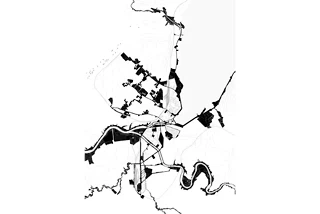
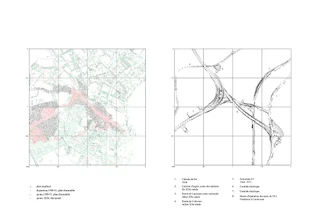
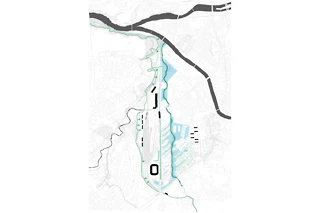
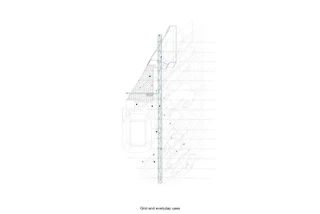
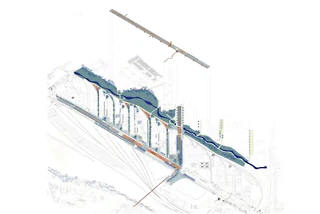
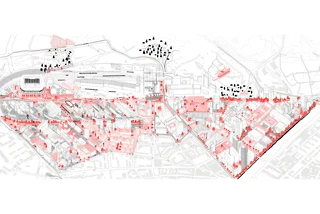
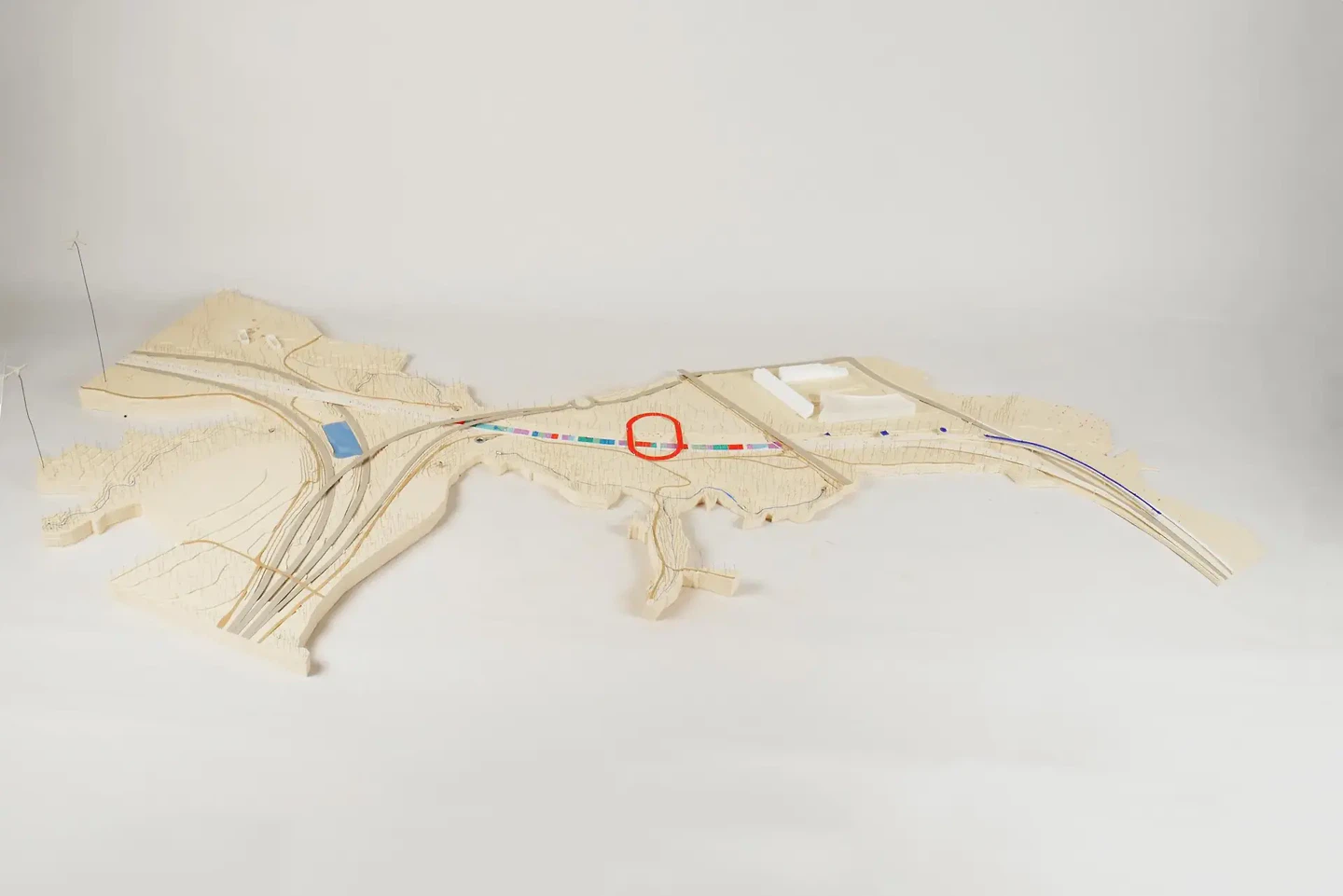
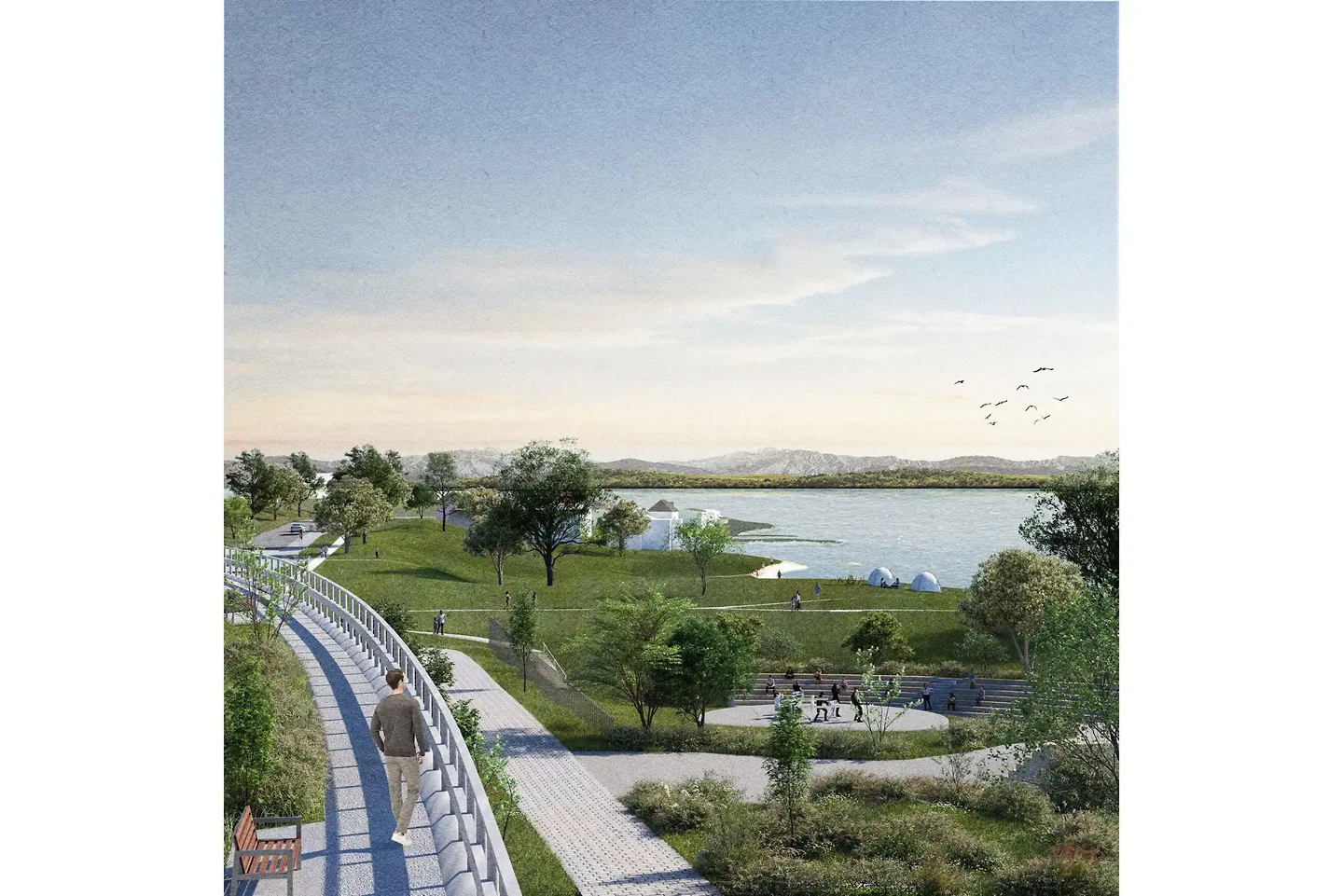
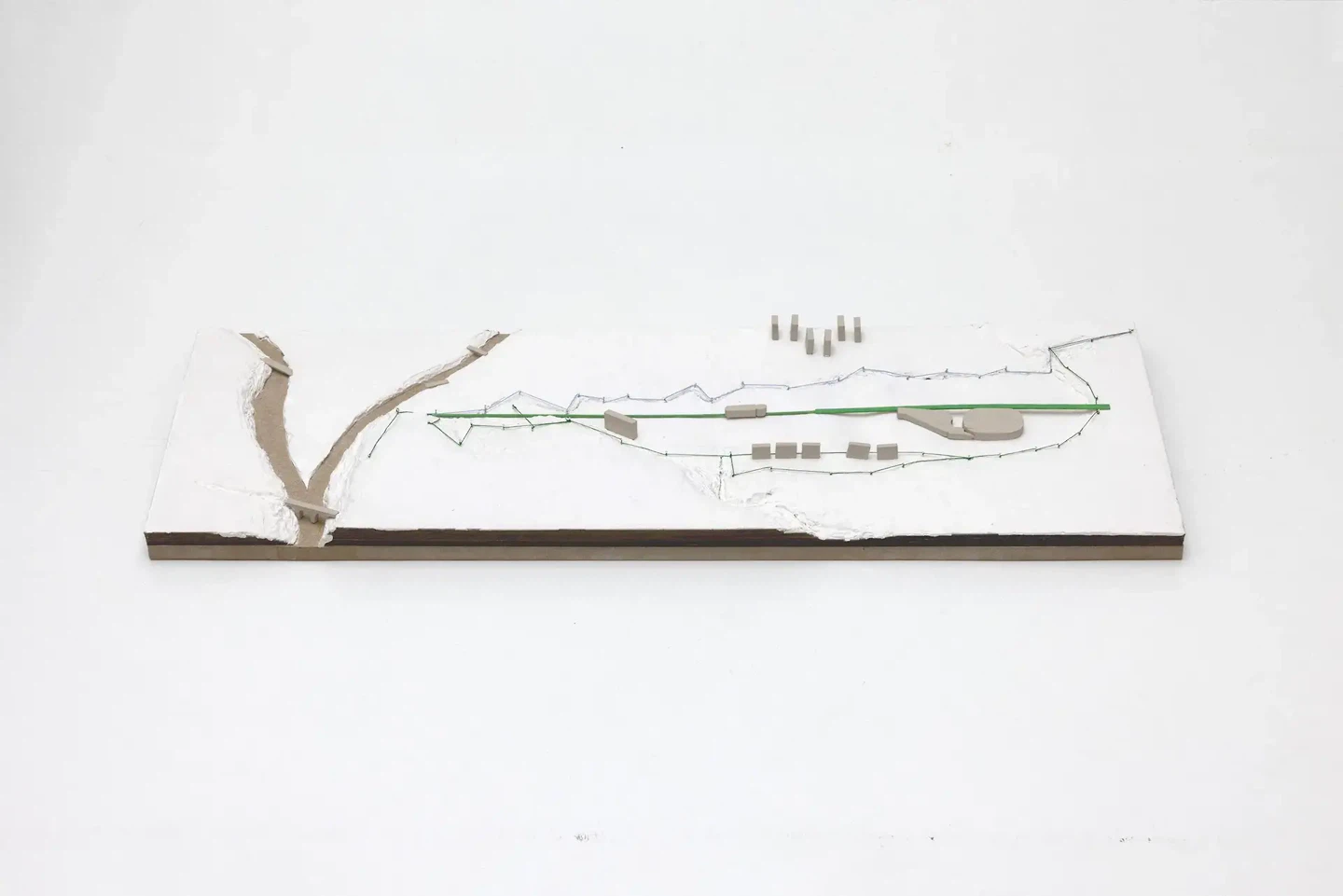
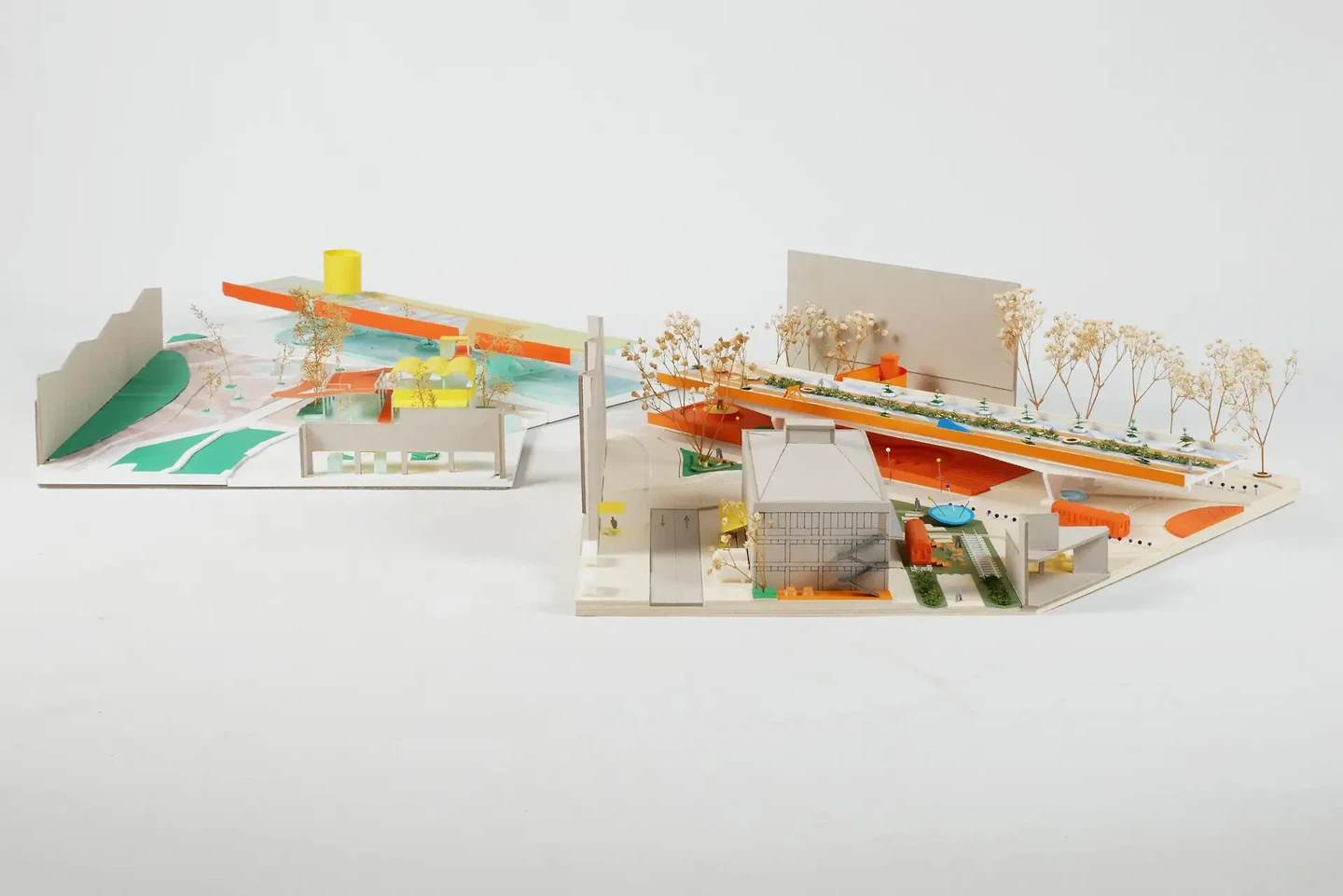
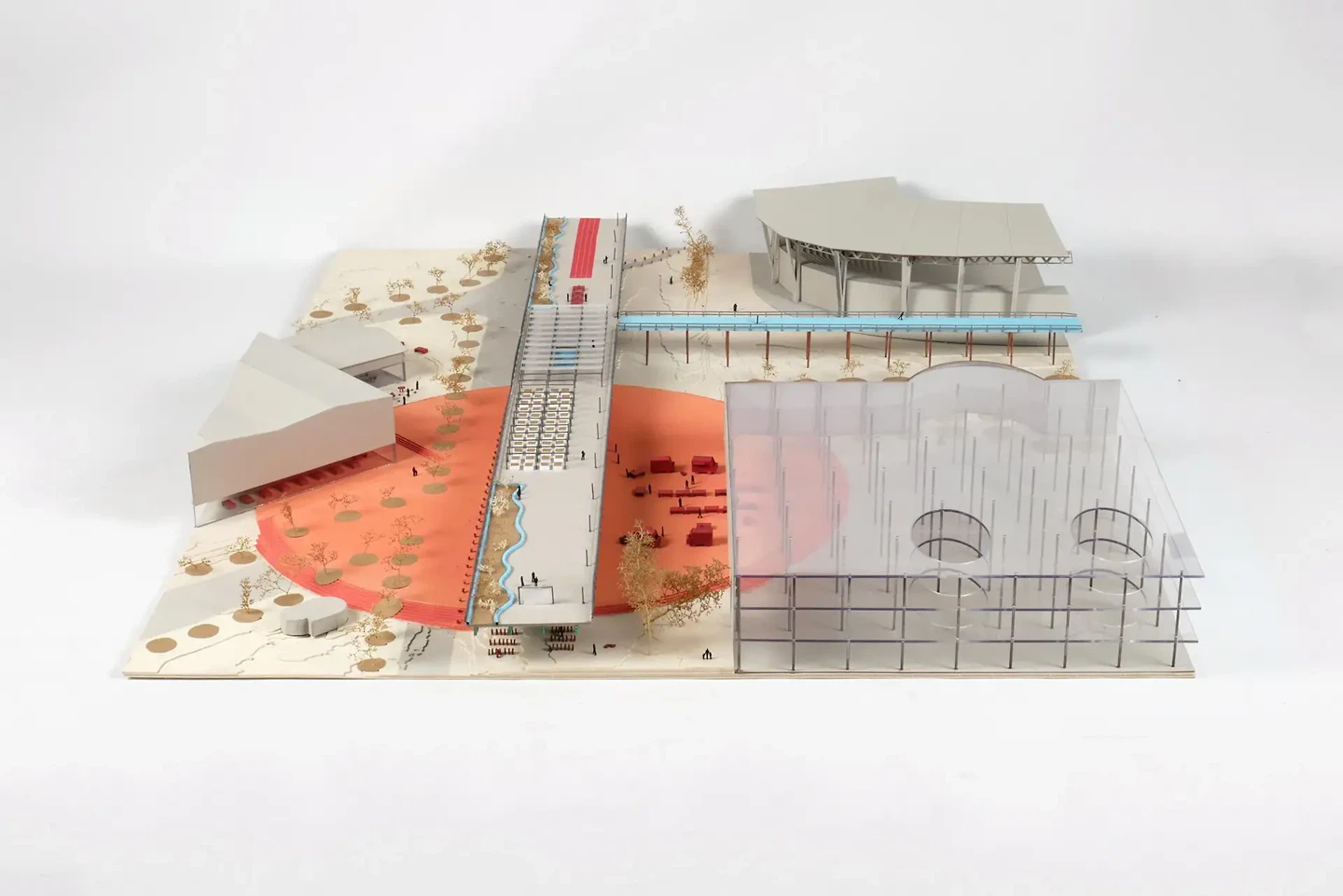
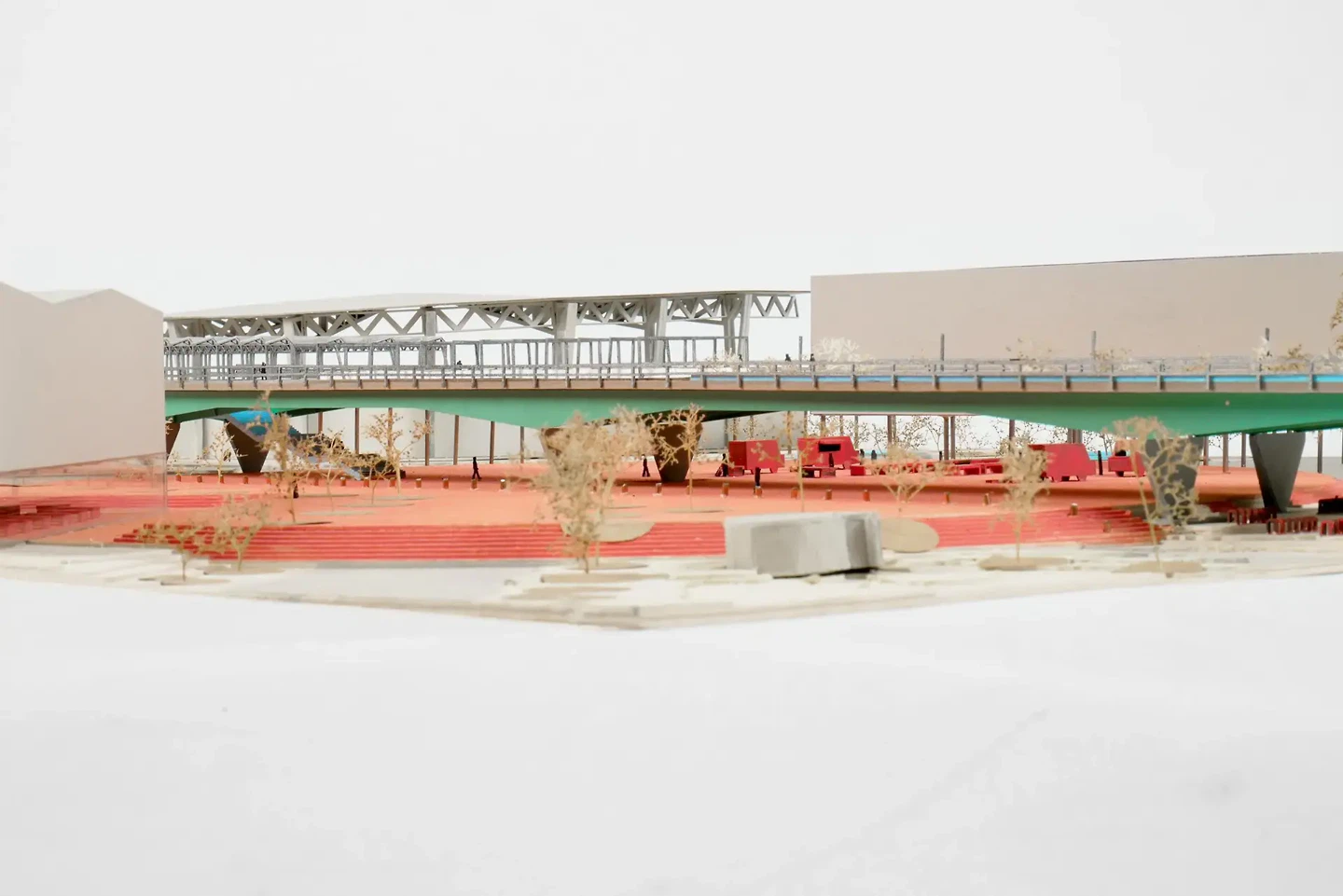
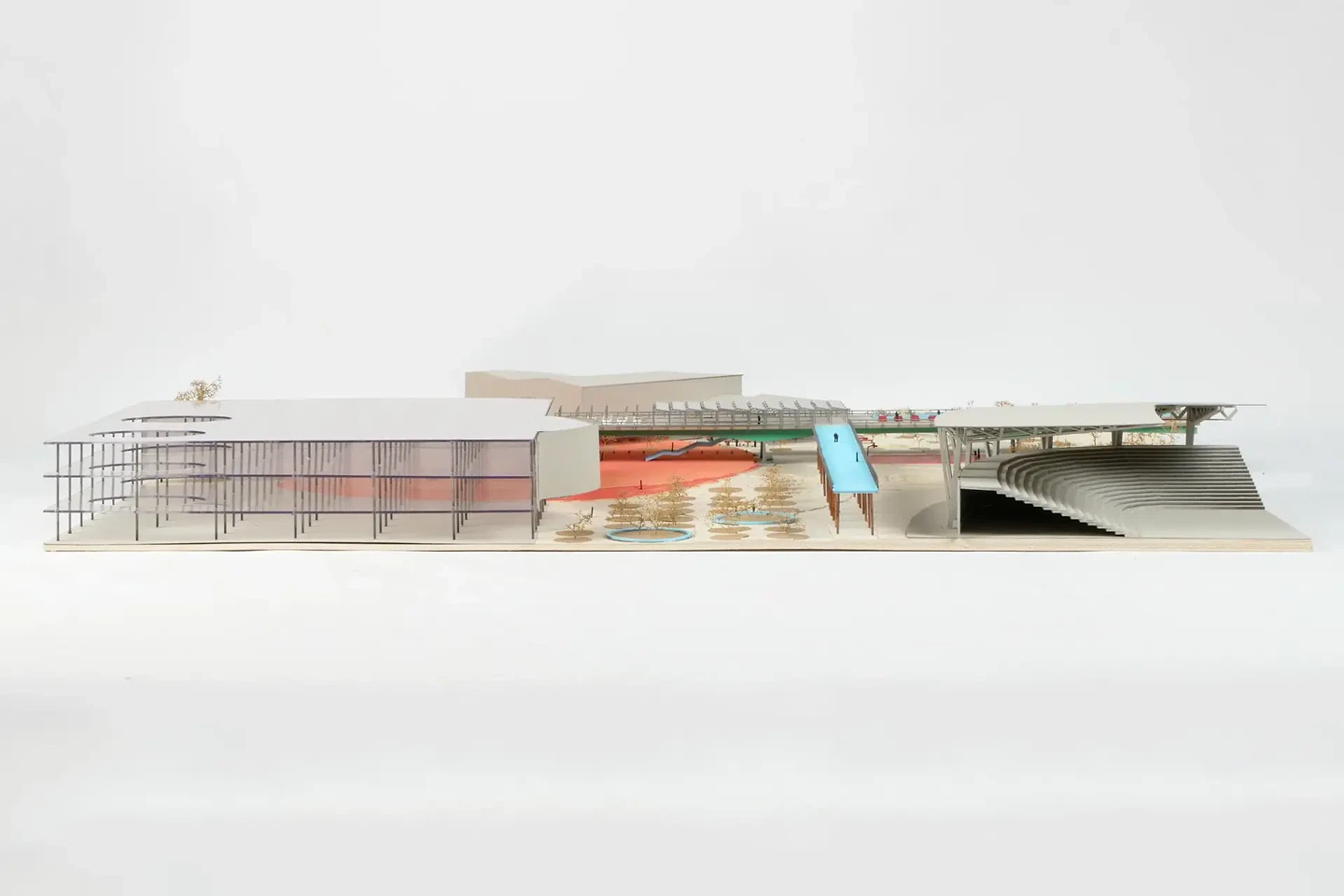
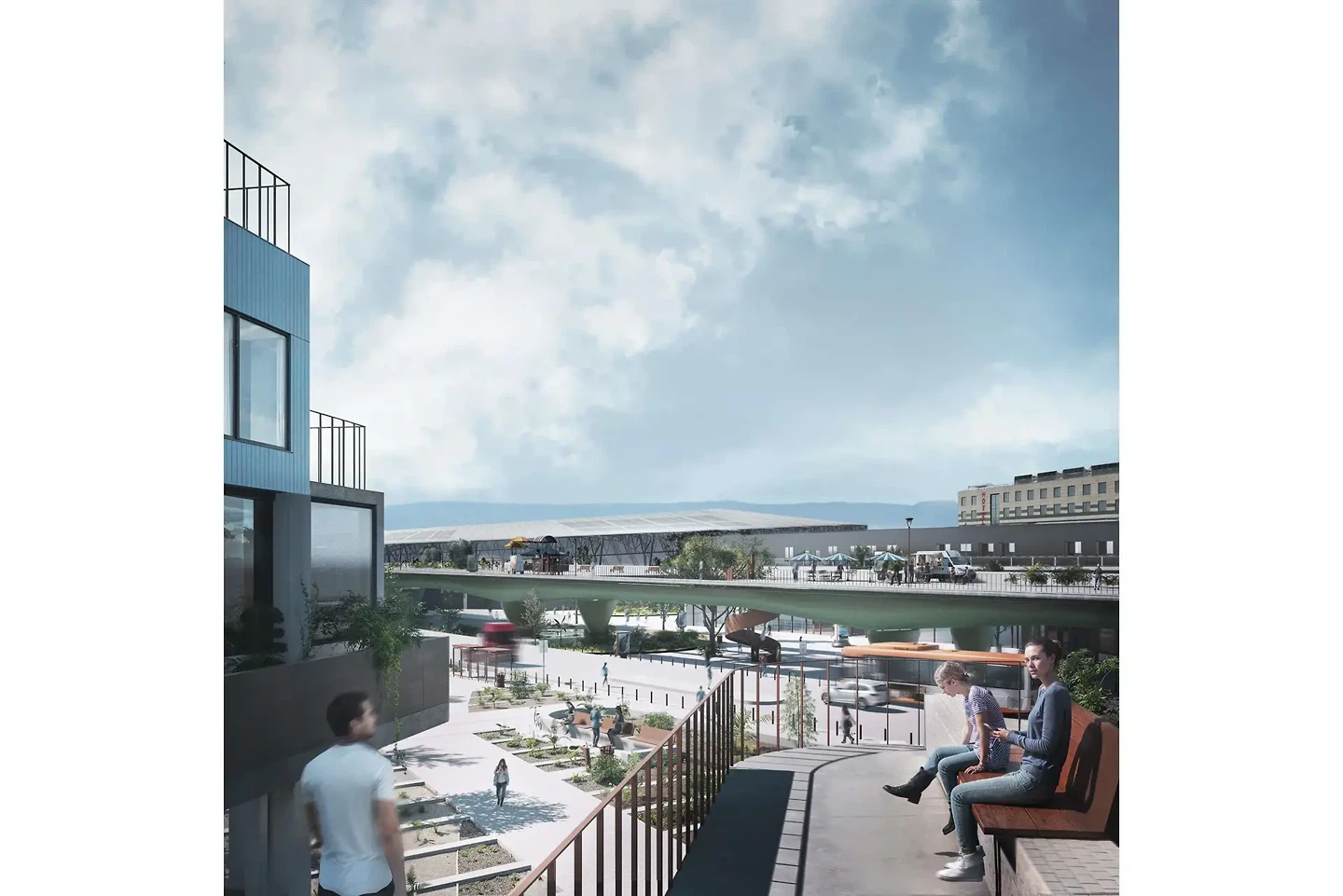
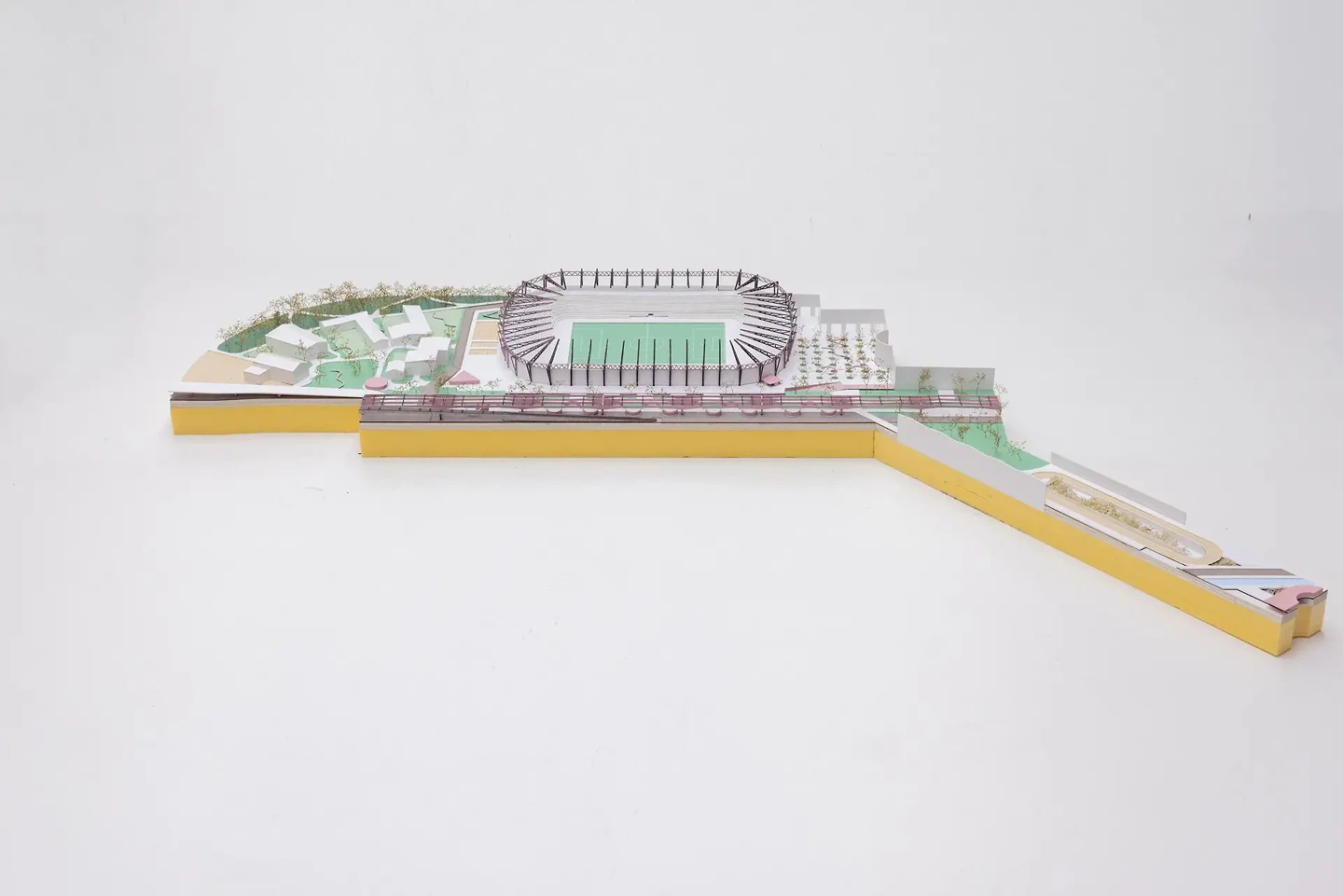
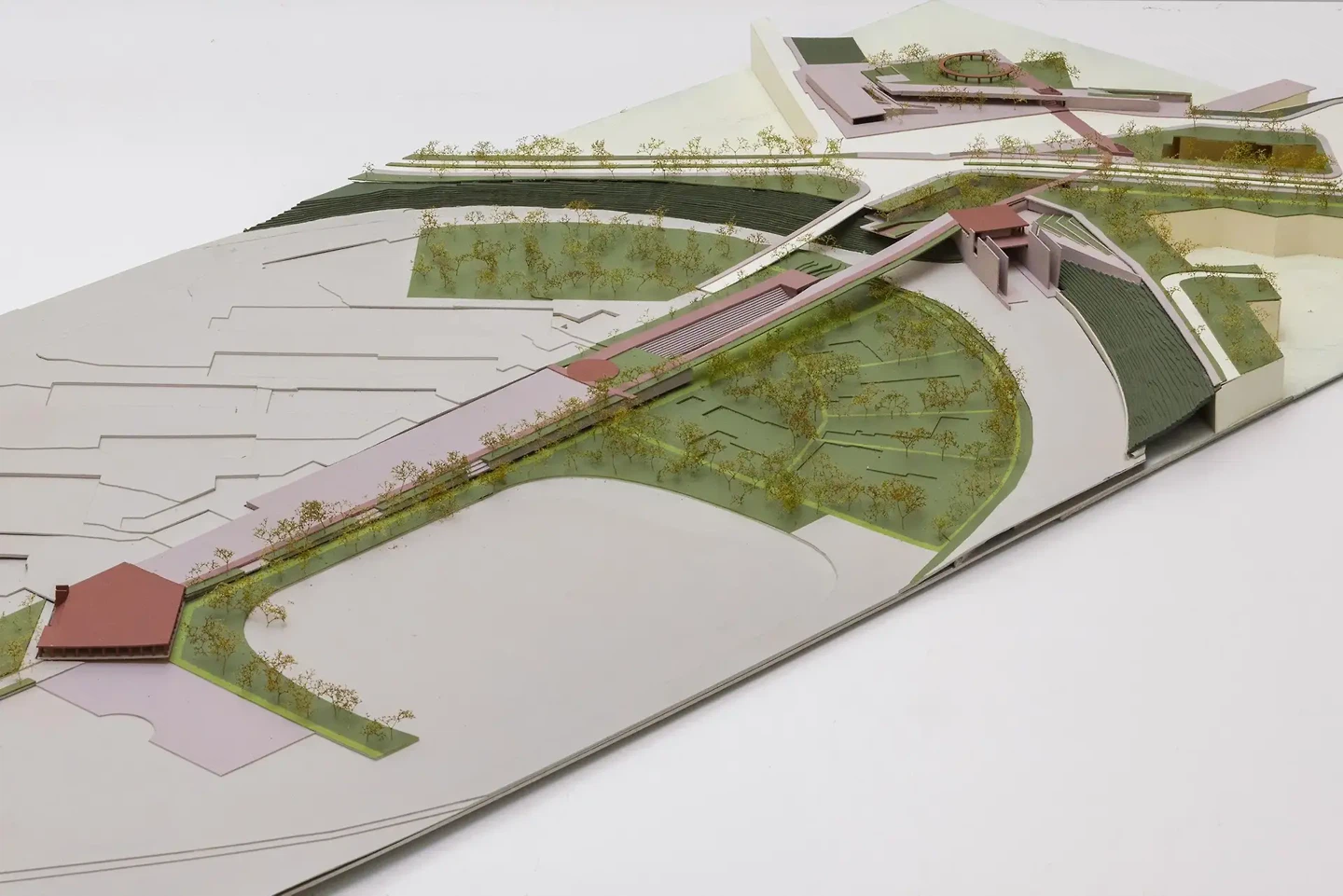
Highways in the City is a research-by-design project conducted at the Laboratory of Urbanism (EPFL), examining the transformative potential of urban highways in the Swiss context. By approaching these infrastructures as a major lever for rethinking the contemporary city, the research investigates how they can reconfigure conditions of inhabitability and open new urban imaginaries.
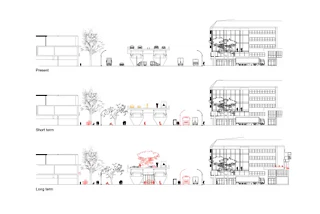
Rather than energy and cost intensive covering or removal, which stand as the prevailing responses to these inherited dead-end systems today, the work argues for a reconceptualisation of these objects supported by a systemic transition in the way urban highways are lived, practiced, and projected. The modern heritage of the car system is reframed here as an opportunity to restitch the urban fabric it once divided, establish new ecological continuities, and drive the renewal of urban practices and habitability.
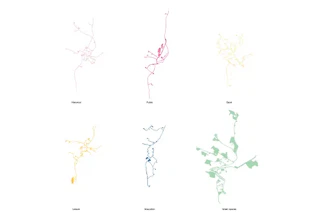
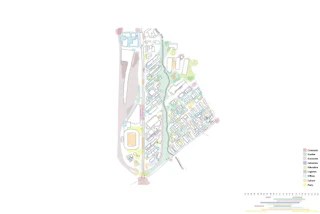
By practicing this view of the city through the object of infrastructure in Geneva, a series of themes emerged from the site's specificities and allowed us to articulate precise and situated arguments:
Maillage
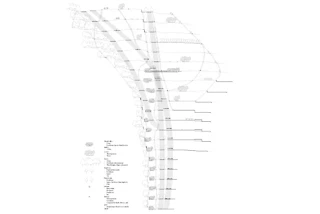
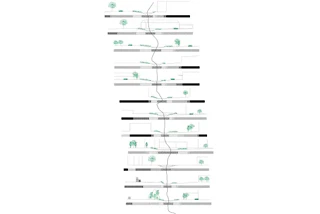
The urban highway operates as a limit, a barrier, an element of discontinuity within the urban fabric. Its transformation offers the opportunity to resurface the palimpsest of urban change, bringing back to l figures of continuity that have long been buried beneath layers of infrastructure and neglect.
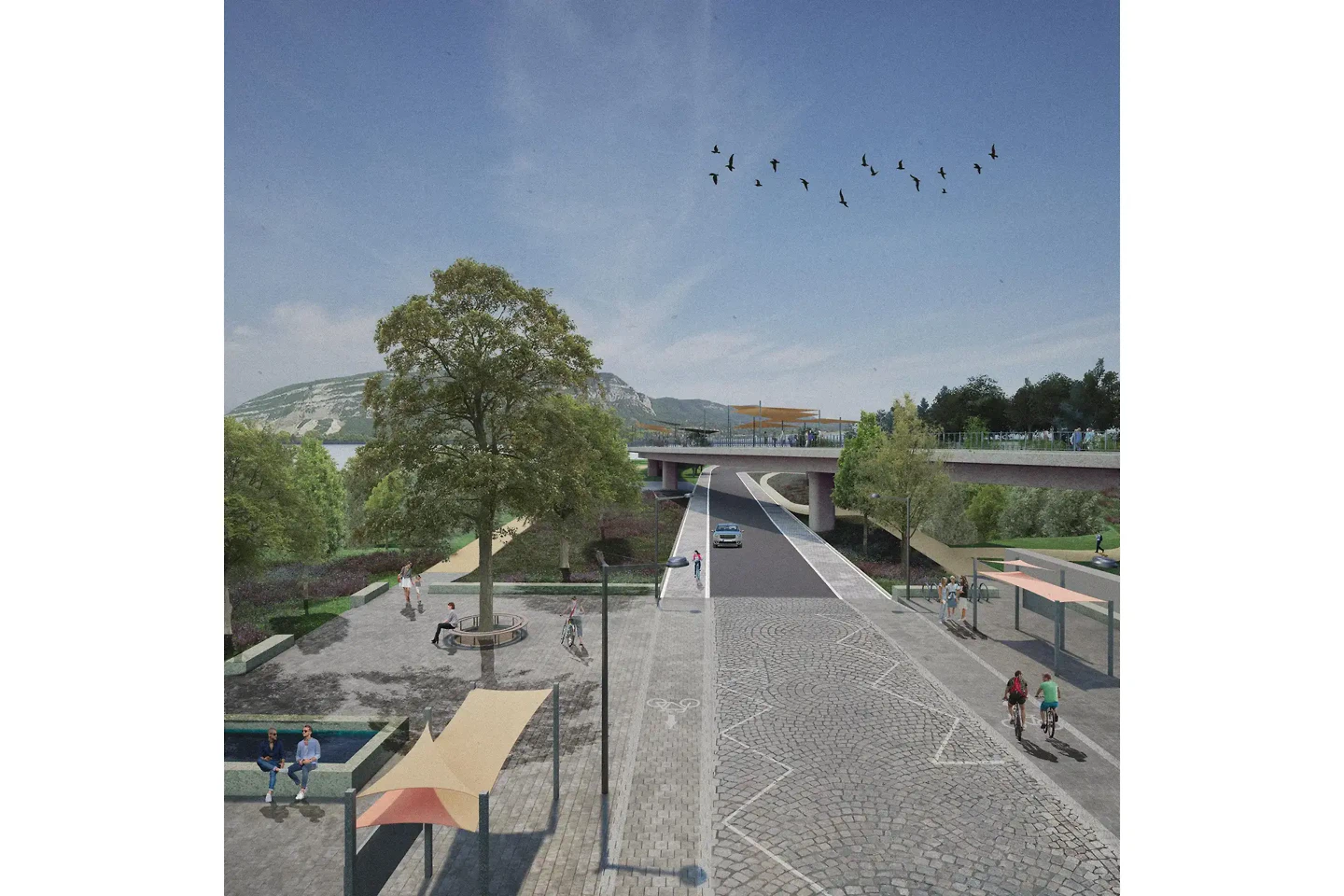
Rethinking highways within the city means reworking connections, restoring transversal links between fragments that have turned their back on the infrastructure over decades. It means reinscribing the project of the city within a broader project of continuity, one that reweaves what has been severed and reactivates what has been left dormant.
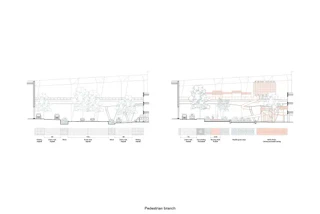
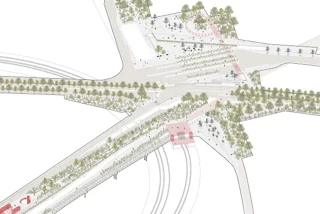
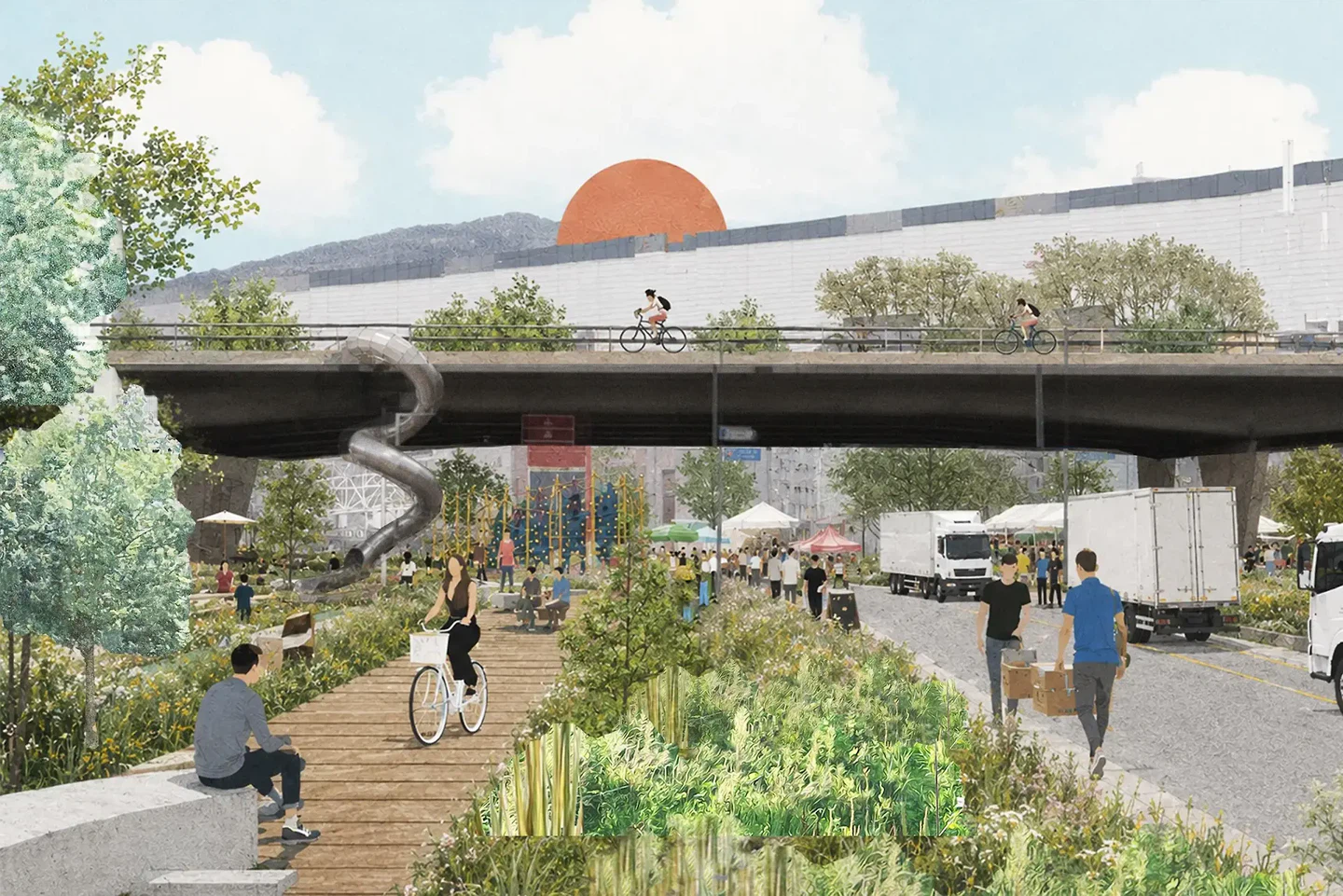
This reflection carries particular weight in Geneva, where the question of the mesh of public and open spaces has stood at the heart of urban thinking since the Braillard plan. Here, the highway becomes the missing link in that mesh, understood not simply as a traffic corridor but as a potential space of public sociability. The great examples of temporary highway closures, as seen in Brazil or at inauguration ceremonies where pedestrians briefly take over the surface, reveal the latent civic life these infrastructures can host. Their reconnection to the surrounding city allows for the recovery of forms of urban continuity at the scale of the neighbourhood, but also at the scale of grand transversal routes running from north to south across the city, redefining axes of force and giving new structure to the metropolitan territory.
Highway as Landscape
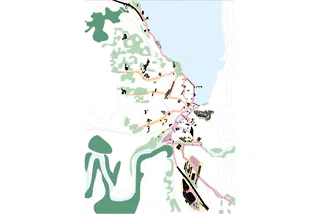
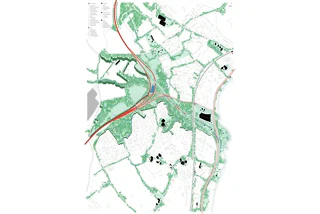
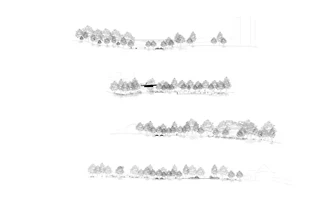
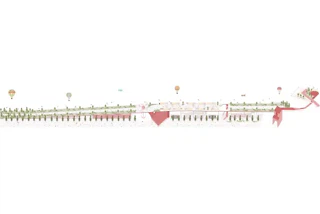
The highway constitutes an ecology of its own, generating specific environmental conditions that, once recognized, open onto a rich field of spatial and ecological imagination. Rather than treating the infrastructure solely as a mobility corridor, it can be understood as a landscape system in its own right, one that has quietly shaped the territory around it and that holds within it the seeds of new continuities.
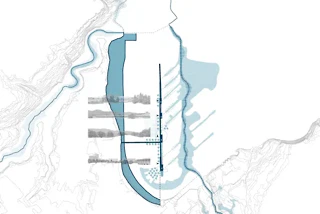
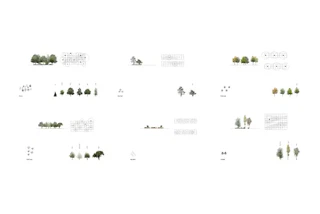
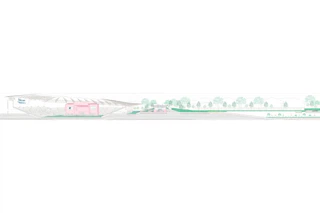
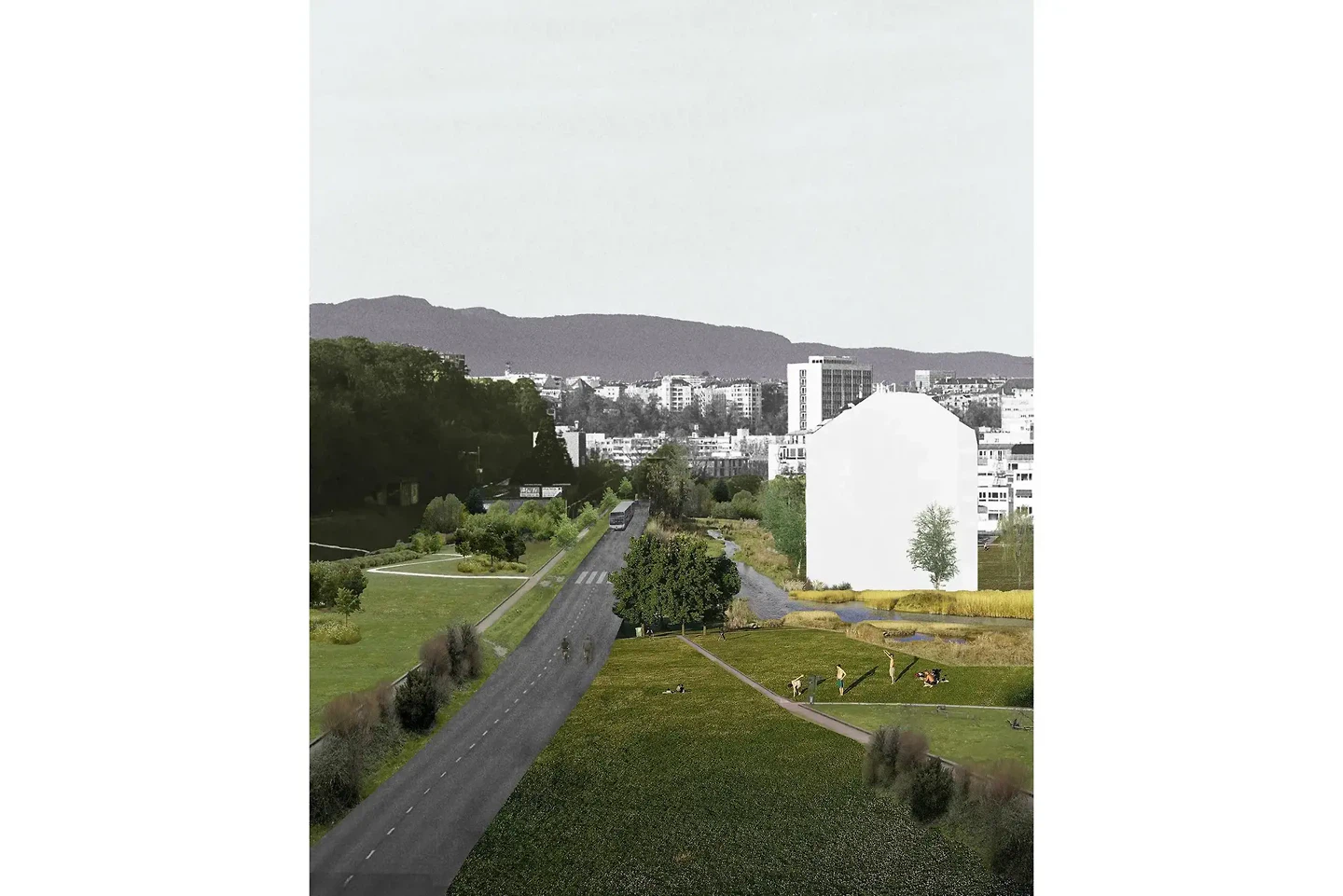
Among the most pressing opportunities is the restoration of transversal landscape connections, reweaving the broken threads between woodland edges and forests that the highway has long severed. Rivers and streams that were culverted and buried beneath the roadbed can be uncovered and reconnected, allowed to resurface and reclaim their place in the landscape. These transversal continuities, once reestablished, allow ecosystems to breathe again across the infrastructural barrier.
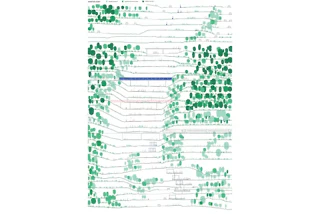
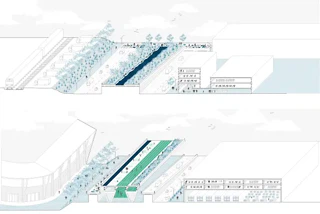
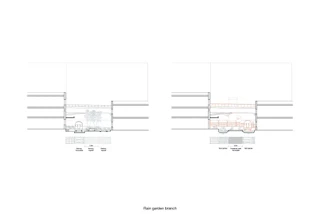
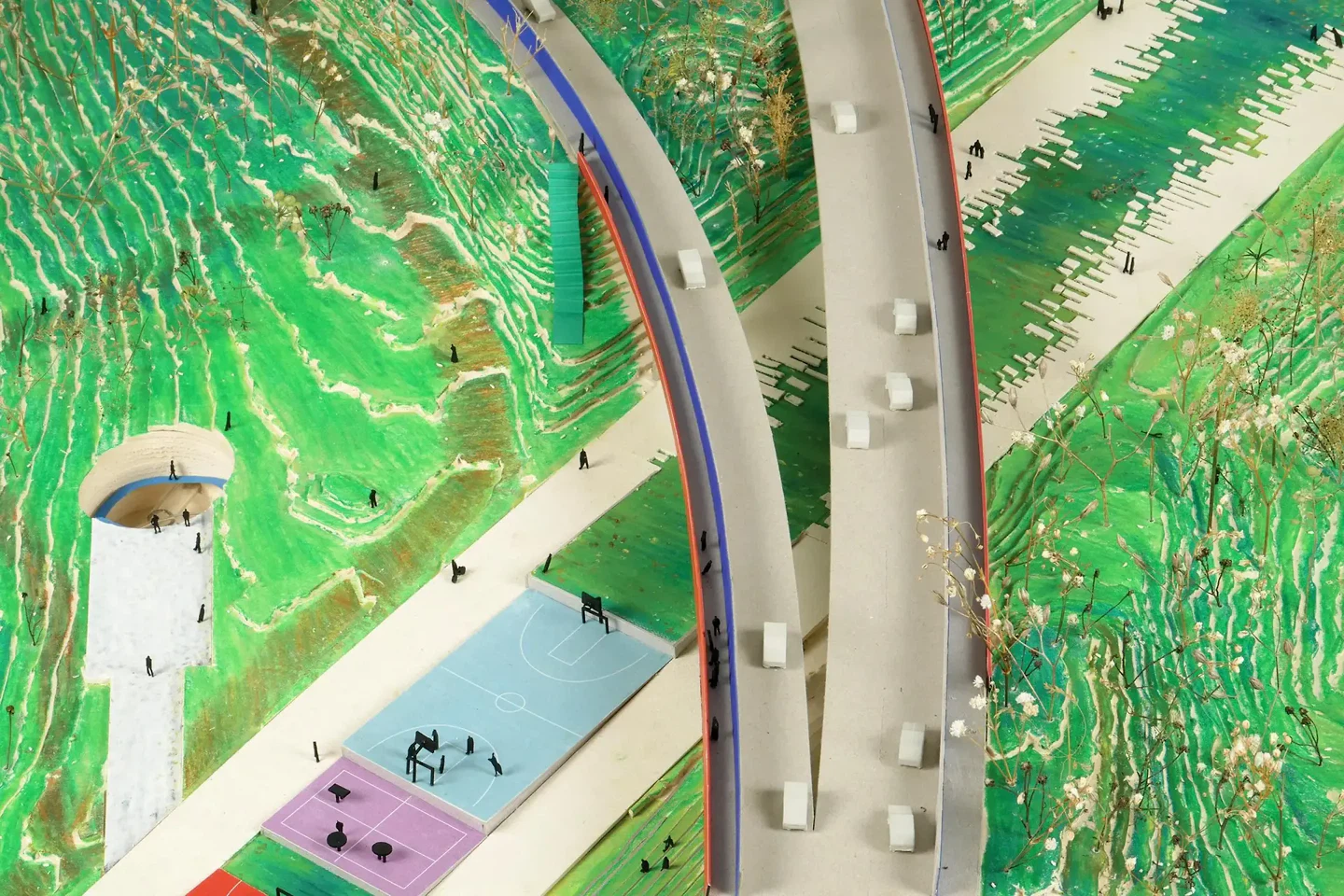
The topographic conditions produced by the infrastructure itself become the raw material of this ecological reimagination. The residual spaces, the leftover voids and in-between territories that accumulated in the shadow of the highway, are so many occasions to reinvent ecosystems. Excavated sections, with their capacity to collect and retain water, offer the logic of the sponge, absorbing and filtering rainfall rather than accelerating its runoff. Former tunnels and trenches become planted passages, shaded linear ecosystems threading through the urban fabric.
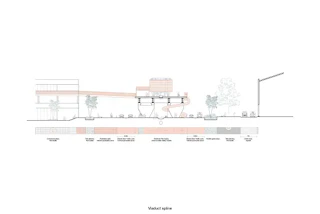
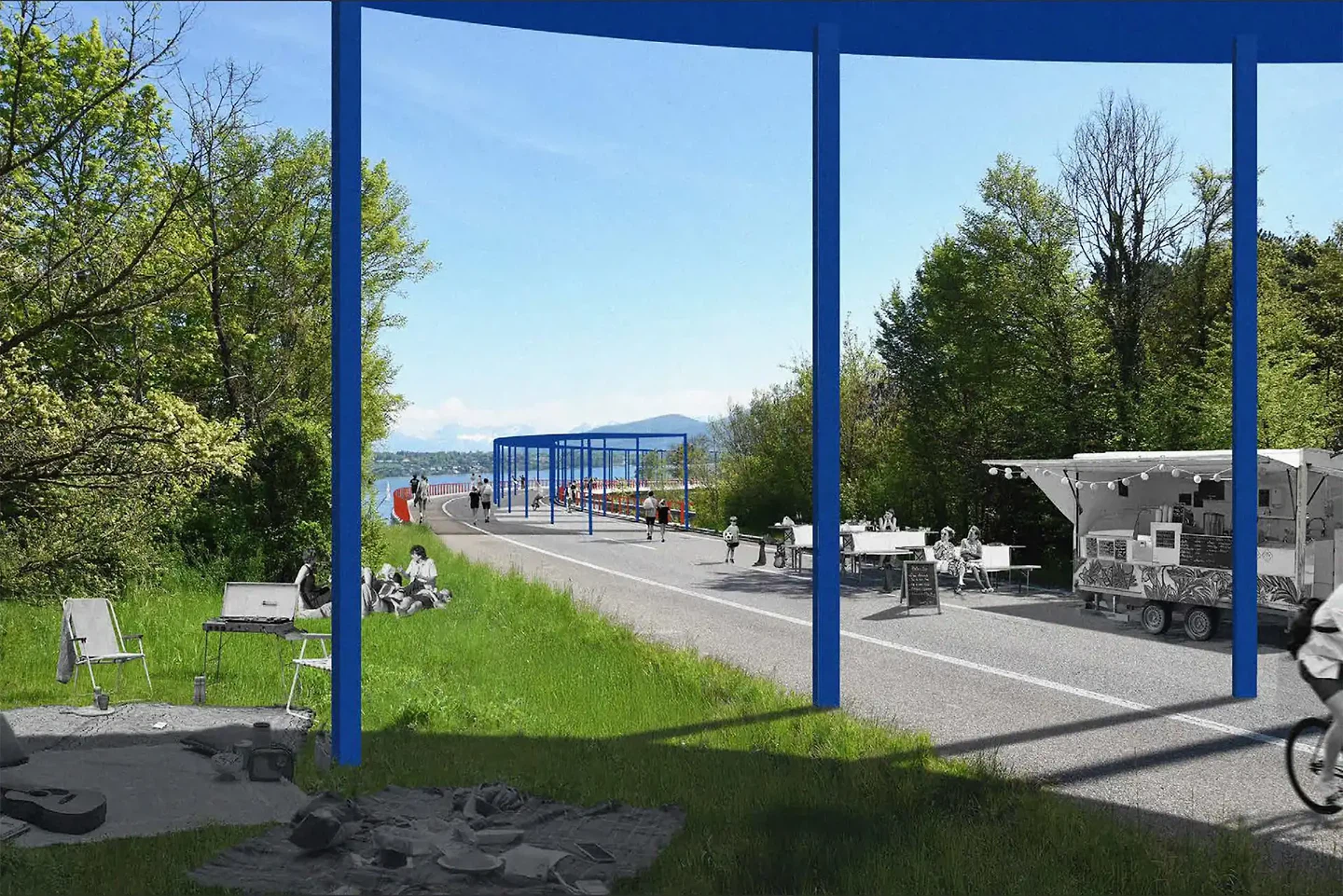
The conditions of shade and light generated by viaducts and embankments, the framed views they produce, the particular relationship to the lake that certain alignments afford, all constitute a sensory and ecological atlas waiting to be read. To transform the highway as landscape is to take this atlas seriously, and to let it guide a new kind of infrastructure, one that is at once ecological corridor, public space, and window onto the greater territory.
Ground
Highways have not only fragmented the city. They have pushed the surrounding urban fabric to build against itself, turning its back on the infrastructure in order to shield itself from noise, pollution and severance. Over time, these defensive postures became permanent, hardening into urban conditions that seemed natural but were in fact the direct consequence of a single infrastructural decision.
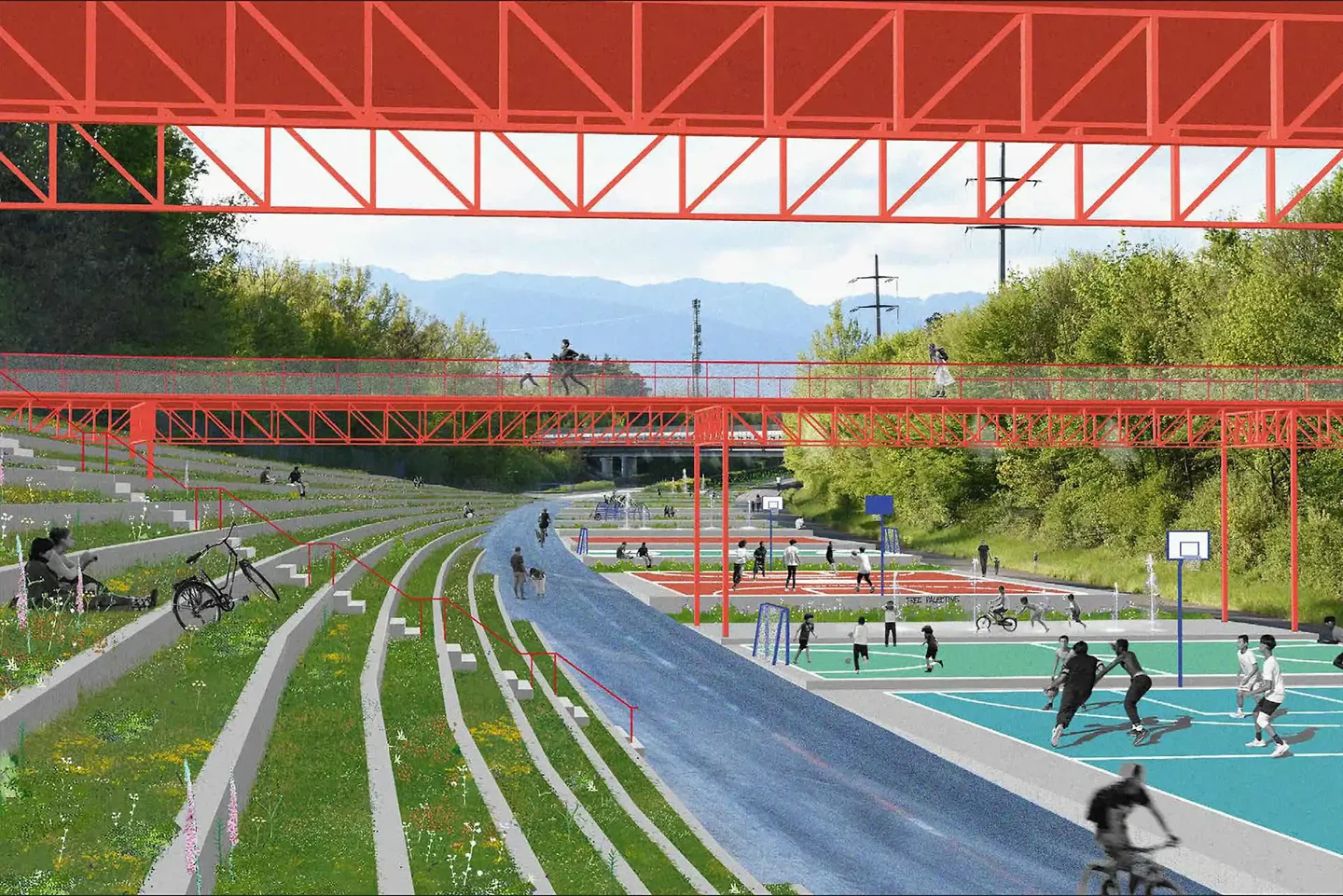
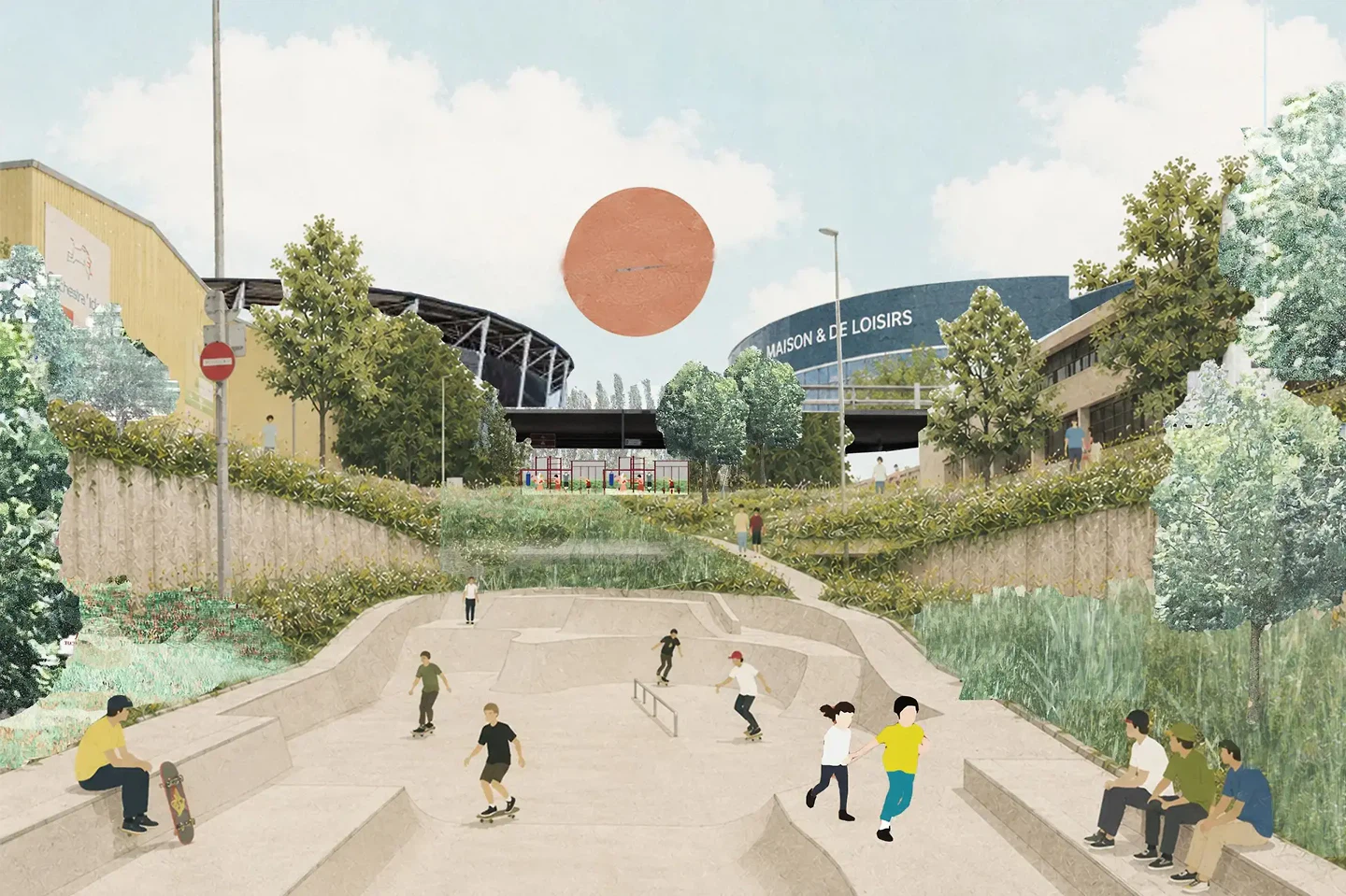
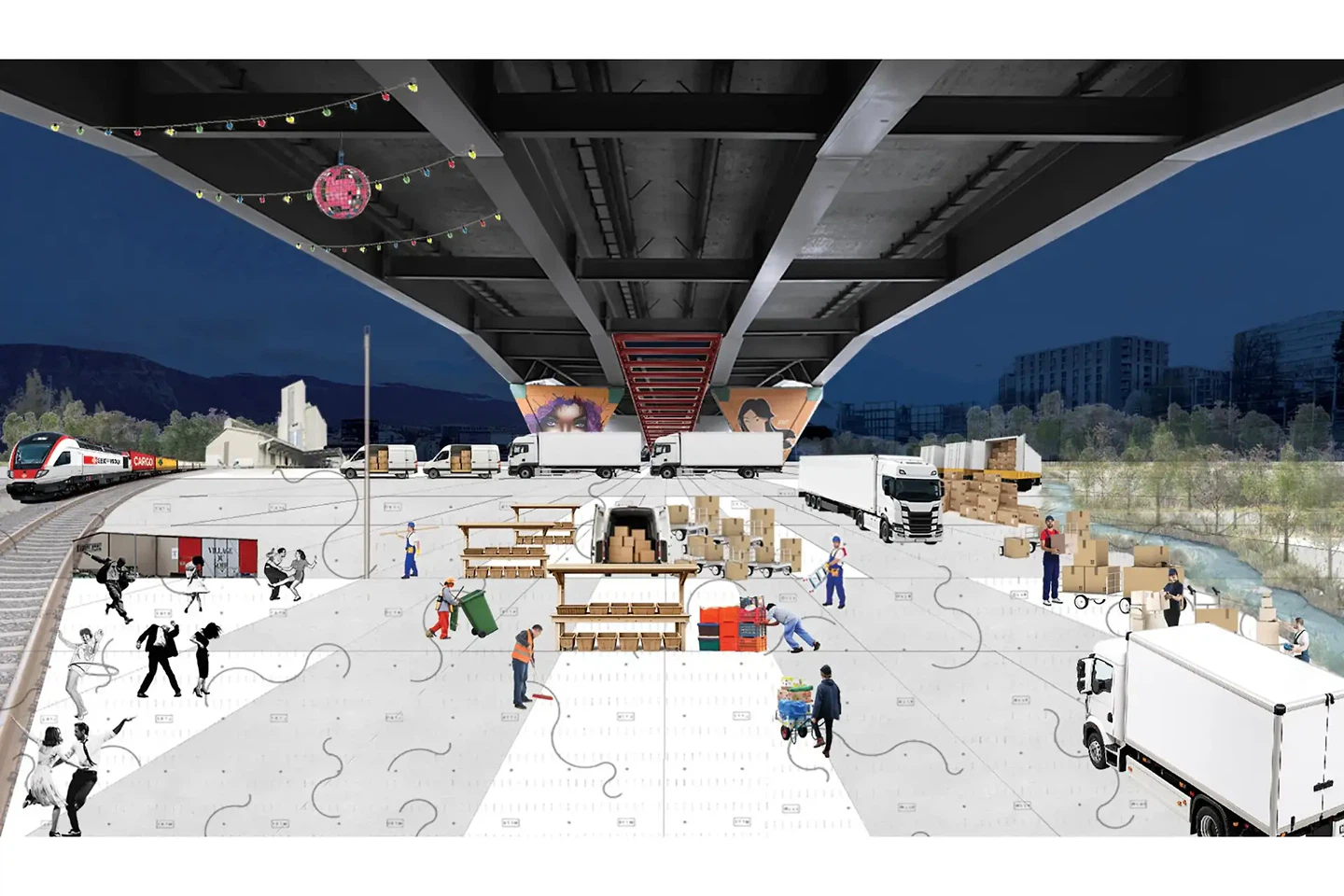
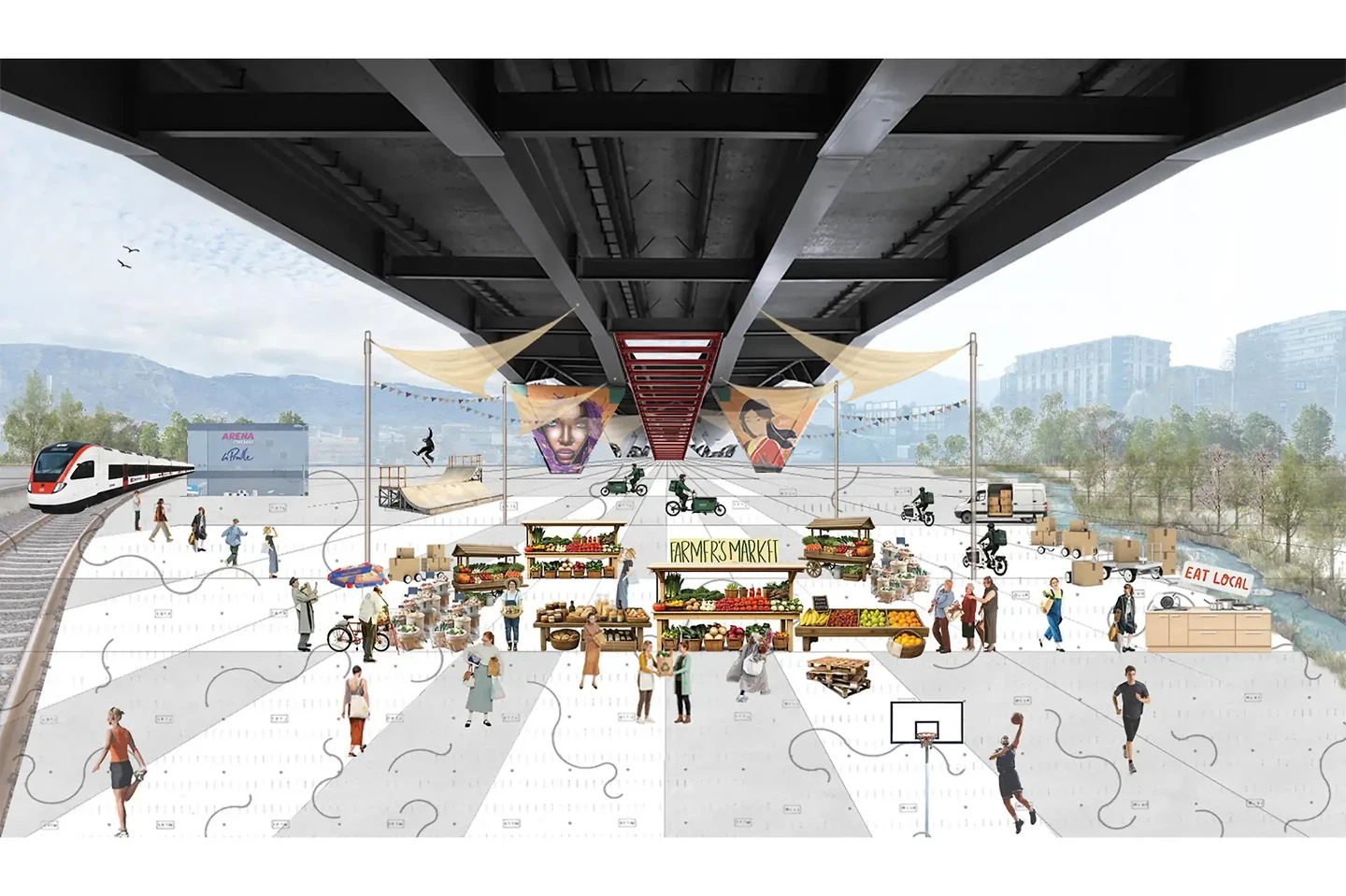
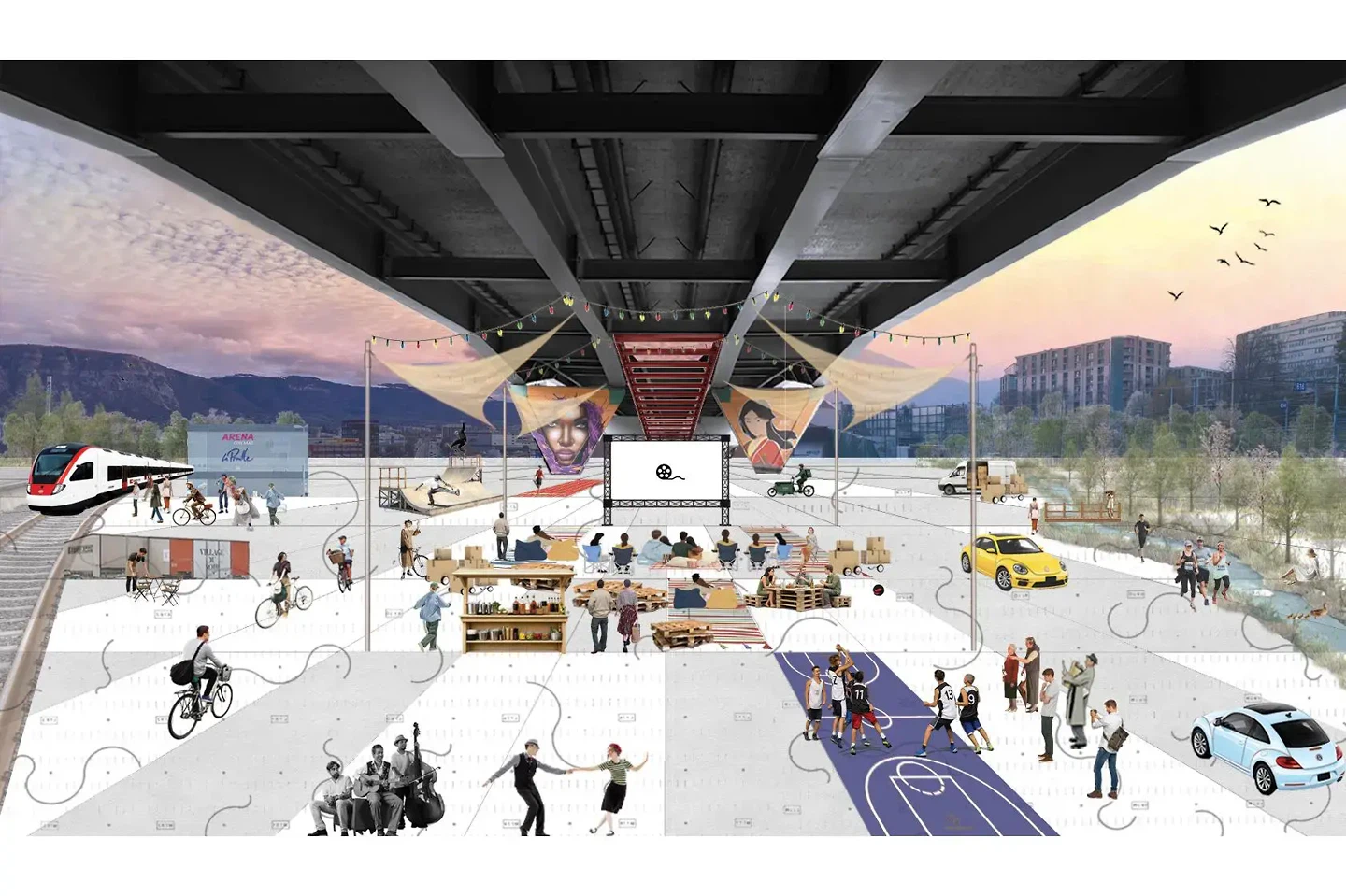
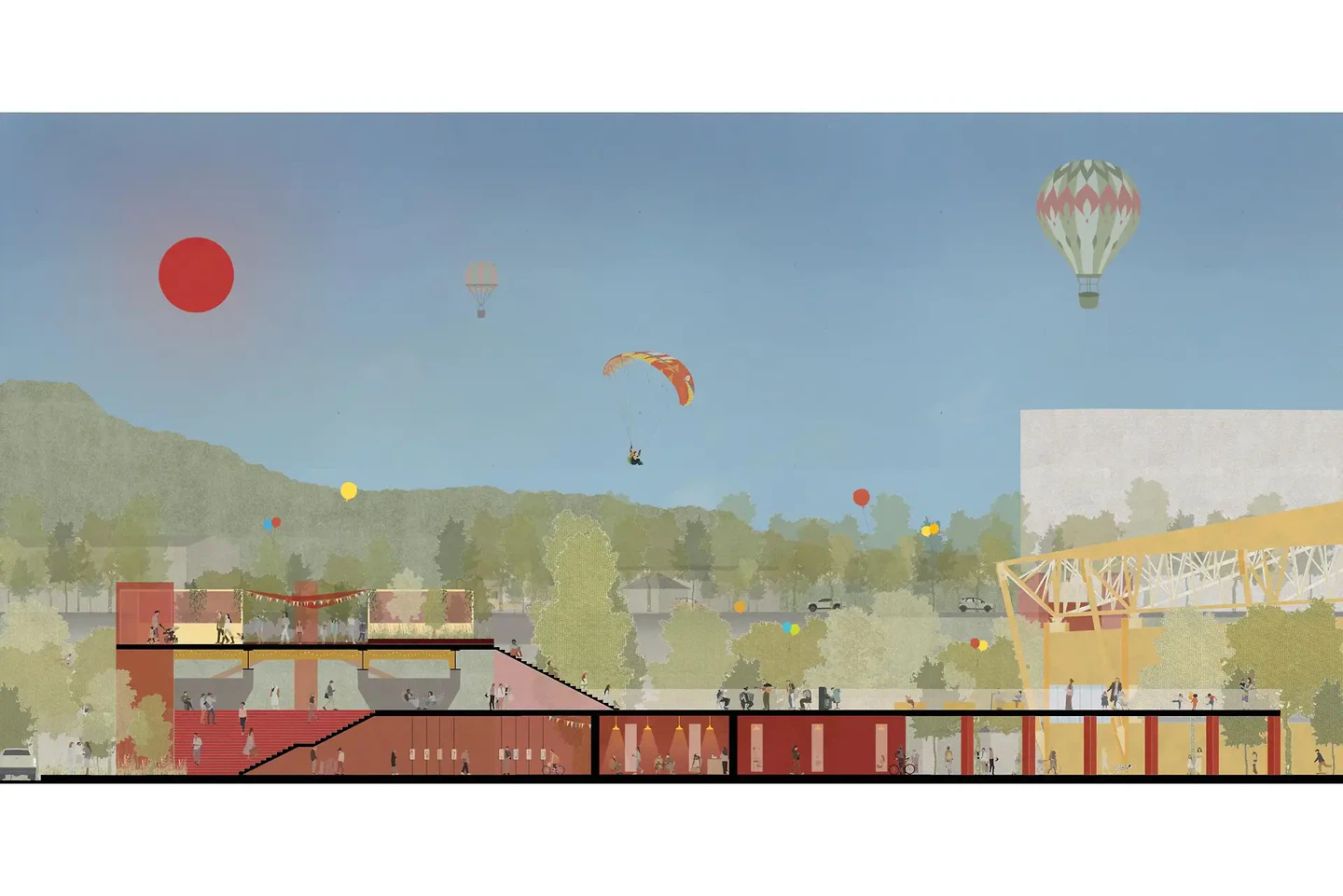
Reimagining the highway begins with the reappropriation of industrial territories conceived and designed exclusively for the car, and with a new relationship to the large infrastructural object as a form of metropolitan common. It offers the opportunity to reconceptualise disconnection, specialisation and enclosure, and to reassert the open nature of the ground as a founding principle. Porosity becomes the guiding ambition. Fluid circulation, understood not merely as movement but as the possibility of appropriation, restores to the city a quality it had surrendered to speed.
This transformation also introduces new rhythms and new functions into territories that had been reduced to a single purpose. Where the highway once imposed a monotony of noise and motion, the reimagined infrastructure can accommodate the unexpected, the informal, the playful.
Urban Regeneration
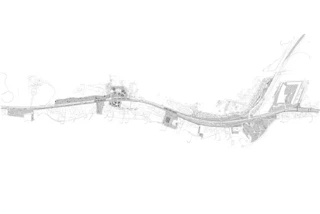
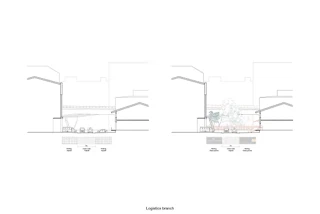
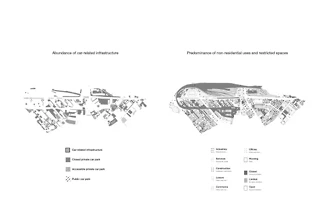
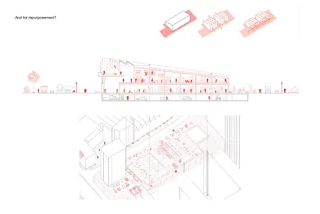
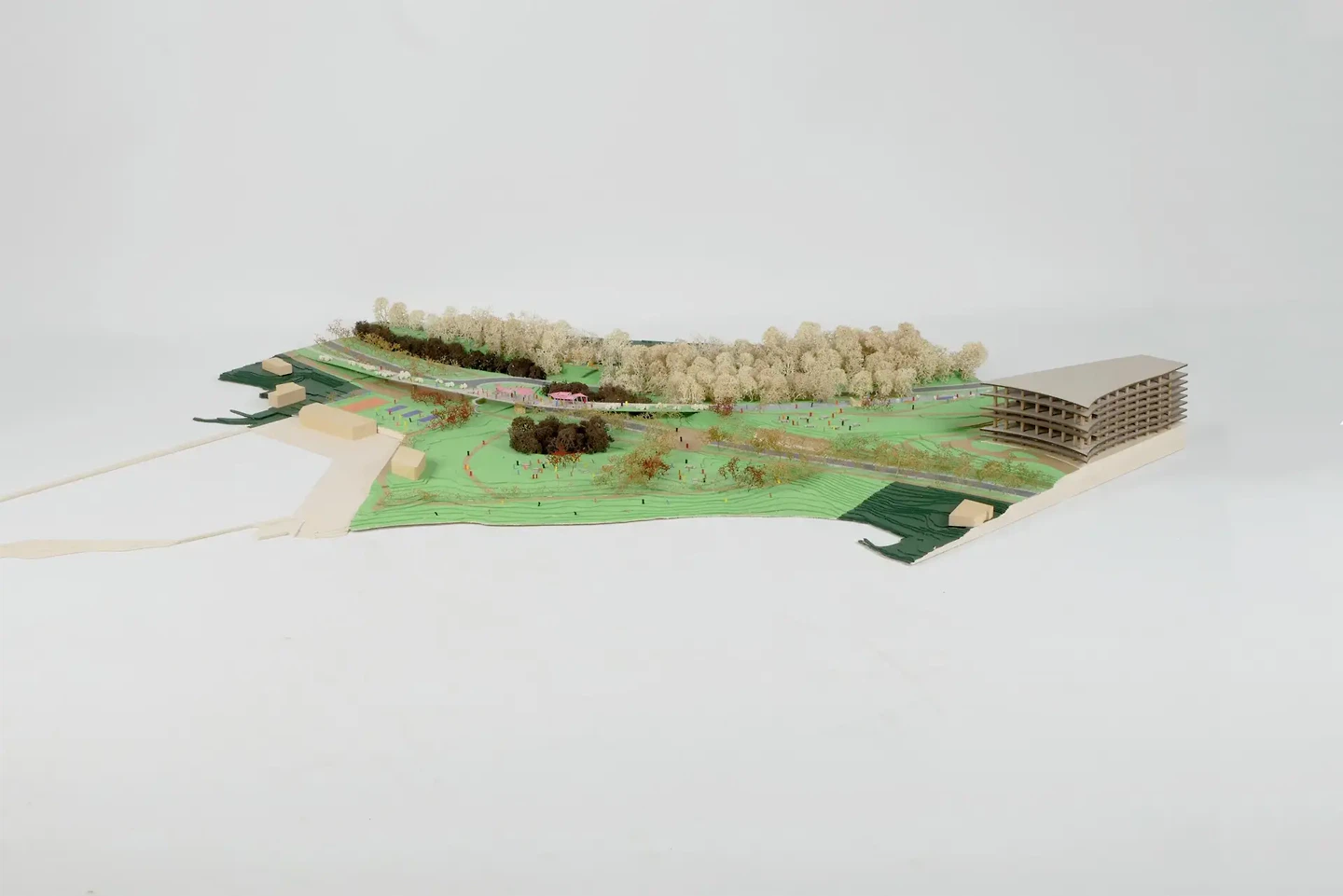
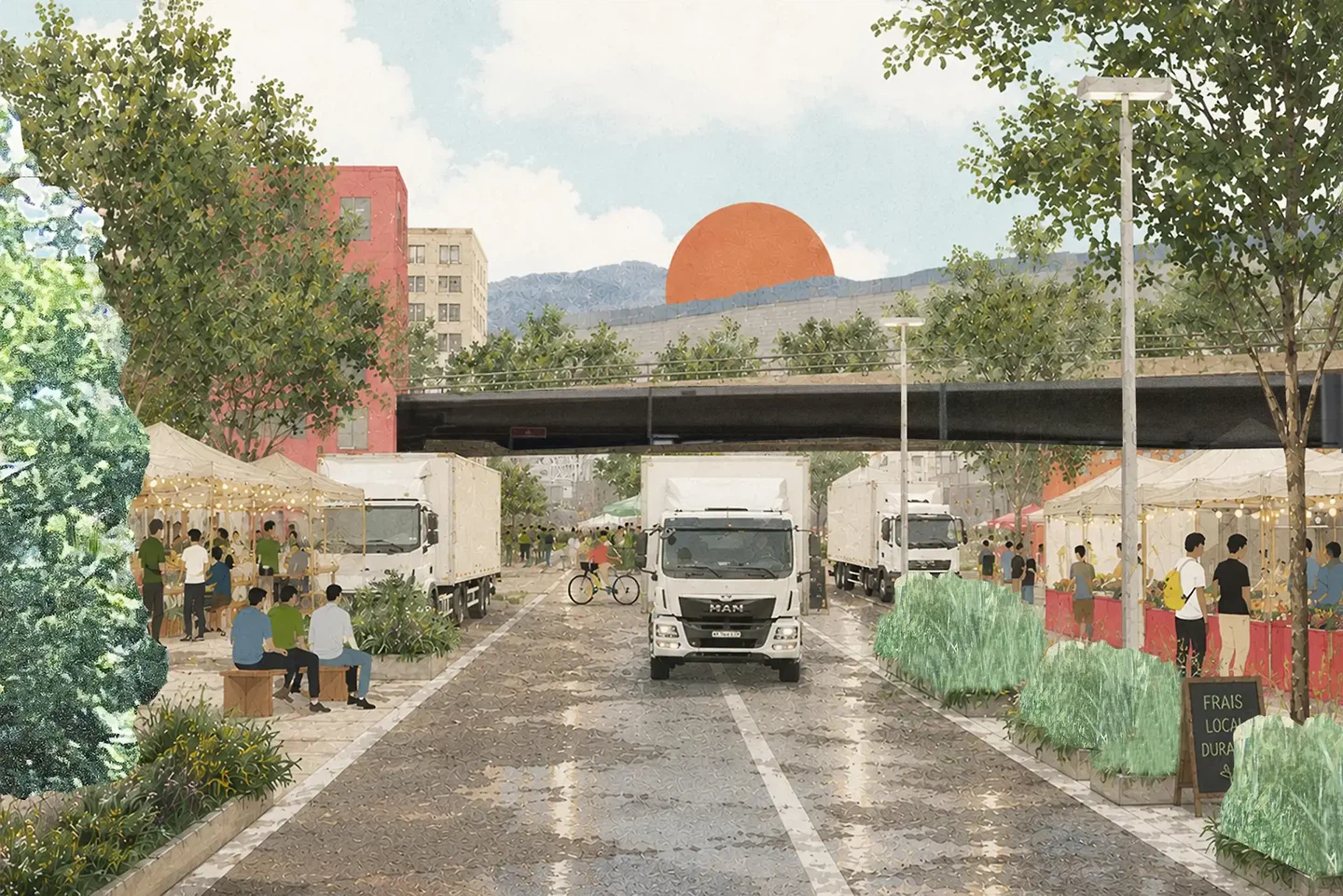
Urban highways are not autonomous objects. Their imbrication into the urban fabric has aggregated around them a constellation of serving spaces and specific functions, each generated by and dependent upon the logic of the road. Rethinking the urban highway therefore means rethinking the broader automobile system it sustains. Parking lots, roundabouts, service platforms, bypasses and leftover parcels are so many spaces that can be enlisted in a project of urban regeneration. Taken together, they form a diffuse but significant reserve of land, scattered across the city yet structurally linked to the infrastructure that generated them.
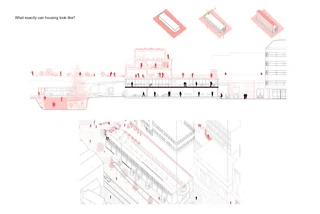
To reimagine this territory is to envision a new form of urban regeneration, one that works with the existing fabric rather than against it, that operates through the reconnection of severed tissues, through functional mix, through the transformation of large infrastructural objects into shared metropolitan commons, and through the valorisation of open space. It is a regeneration that does not begin with the blank slate but with the patient reading of what is already there.
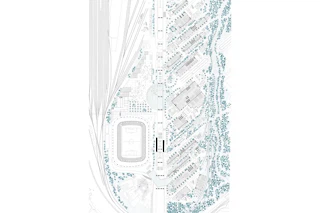
The PAV in Geneva stands as a striking example of this potential. This vast project of new urban construction emerges precisely from the renegotiation of an infrastructural and industrial territory, demonstrating how reimagining the highway and its surroundings can open a different way of thinking about urban densification, one rooted not in erasure but in continuity, not in addition alone but in transformation.
The project by the EPFL ENAC was submitted for the Swiss Arc Award 2026 in the Next Generation category and published by Nina Farhumand.